

News · Entry and visas
Japan is getting its own ESTA: the JESTA electronic authorisation will be mandatory for visa-free travel
In May 2026 Japan passed the law creating JESTA, an electronic authorisation that visitors who currently enter without a visa will have to apply for online before travelling. The government wants to launch it during fiscal year 2028, and the law sets a deadline of March 2029.
Reviewed translationView the original in Spanish
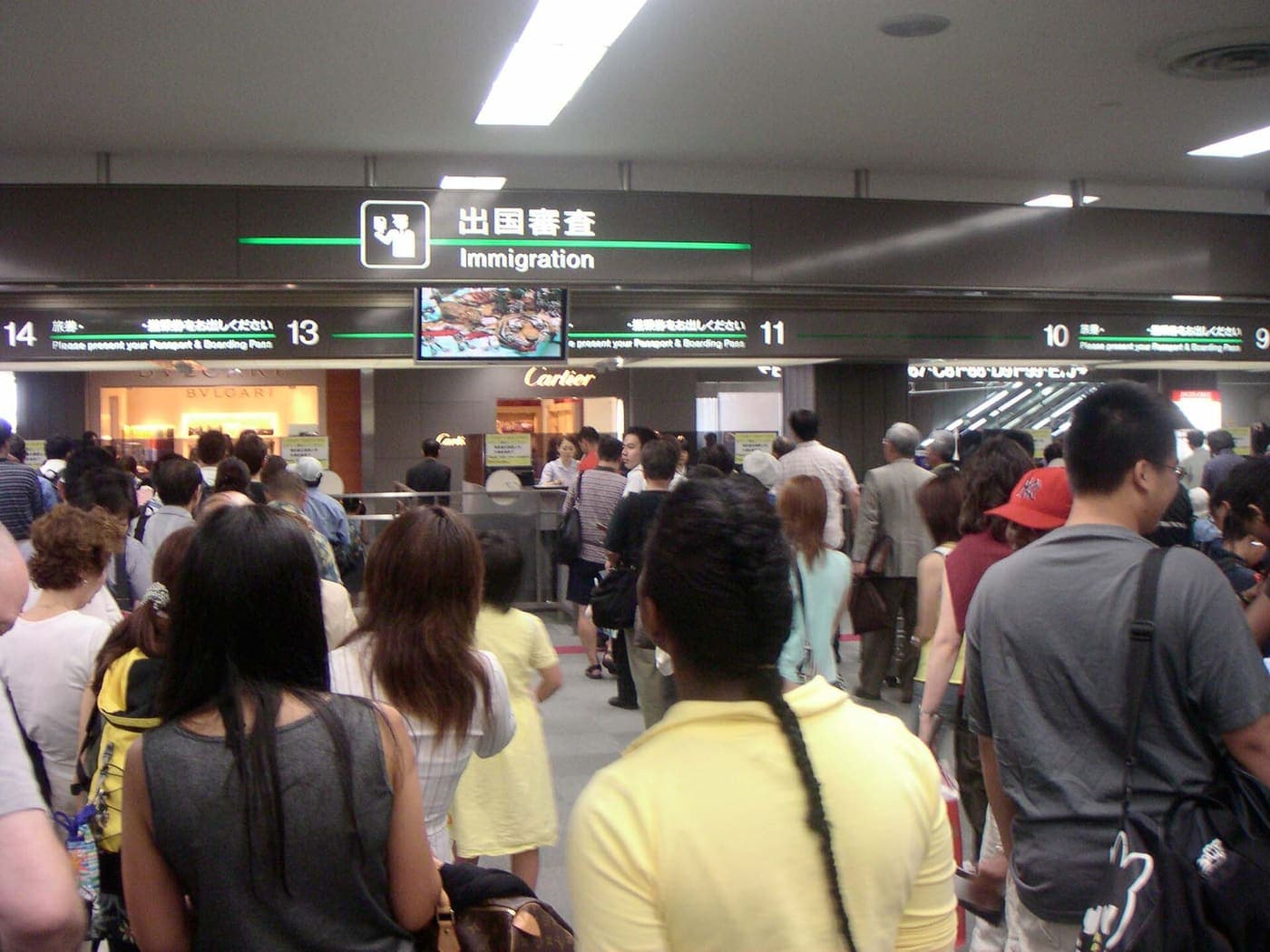
The Japanese Diet passed an amendment to the immigration law (Act No. 32 of 2026) on 29 May 2026 that creates JESTA, Japan's electronic travel authorisation system. It will work in a similar way to the US ESTA or the UK ETA.
What changes
- Anyone travelling to Japan without a visa for a short stay will have to apply for the authorisation online before the trip, providing their passport details, the purpose of the trip and where they will be staying.
- The authorisation is granted if the passport is valid, the purpose of the trip is genuine and there is no legal ground for refusing entry.
- Airlines will send each booking's details to immigration when the ticket is issued and will not be able to board anyone whom Japan has refused.
- A fee will have to be paid. The government will set it later: there is no official figure yet.
When it starts
There is no date yet. The law sets a deadline of 31 March 2029, and the Ministry of Justice expects to introduce JESTA during fiscal year 2028, which runs from April 2028 to March 2029.
There is nothing to do today: if you are travelling in the coming months, you will enter just as you do now. When applications open, apply only on the Japanese government's official website and be wary of sites that rush to charge you for it. We will report it here as soon as there is a date.
Sources
- Agencia de Servicios de Inmigración de Japón (出入国在留管理庁) — Original source
- 入管法等の改正(令和8年改正:JESTA(電子渡航認証制度)の創設など) — Agencia de Servicios de Inmigración de Japón
- 出入国管理及び難民認定法等の一部を改正する法律(新旧条文) — Ministerio de Justicia de Japón (法務省)
- 令和9年度税制改正要望(法務省):JESTAの導入 — Ministerio de Justicia de Japón (法務省)