

Sleep the Japanese way
Ryokan in Japan
Tatami, a hot-spring bath and a seasonal dinner served at an unhurried pace: a night in a ryokan is one of the highlights of a trip to Japan. We explain how it works and recommend the best ones, destination by destination.
Our ryokan
Ryokan and temple lodgings, destination by destination. Those marked 刀 also have our Katana Seal.
Chubu 中部
1 ryokan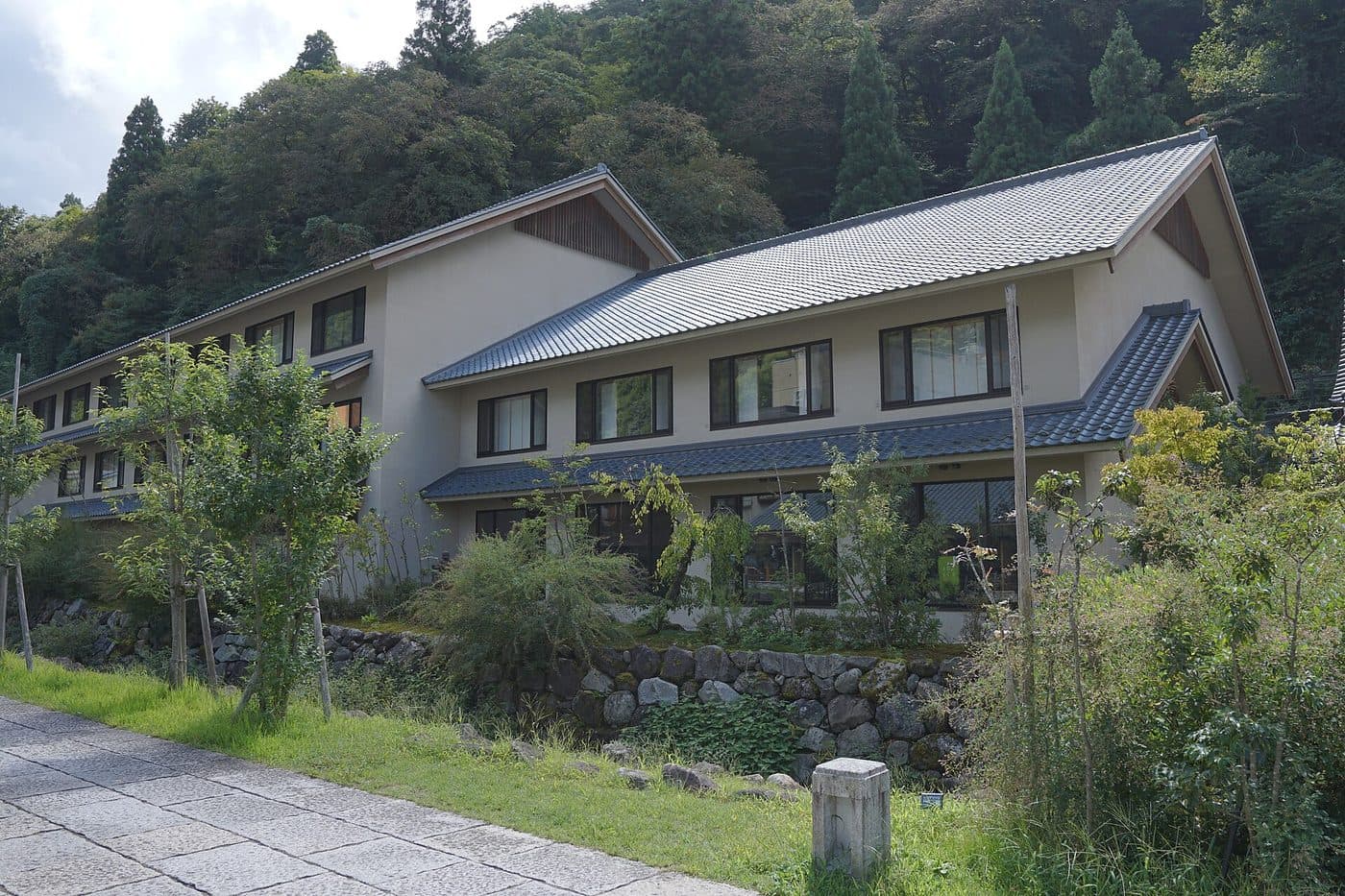 刀
Photo: 掬茶 · CC BY-SA 4.0
Eiheiji · Junto a la entrada de Eihei-ji · ¥¥¥¥
Hakujukan 永平寺 親禅の宿 柏樹關
LuxuryTemple stays
Hotel del propio Eihei-ji con meditación zen por la mañana y cocina vegetariana.
Kansai 関西
5 ryokan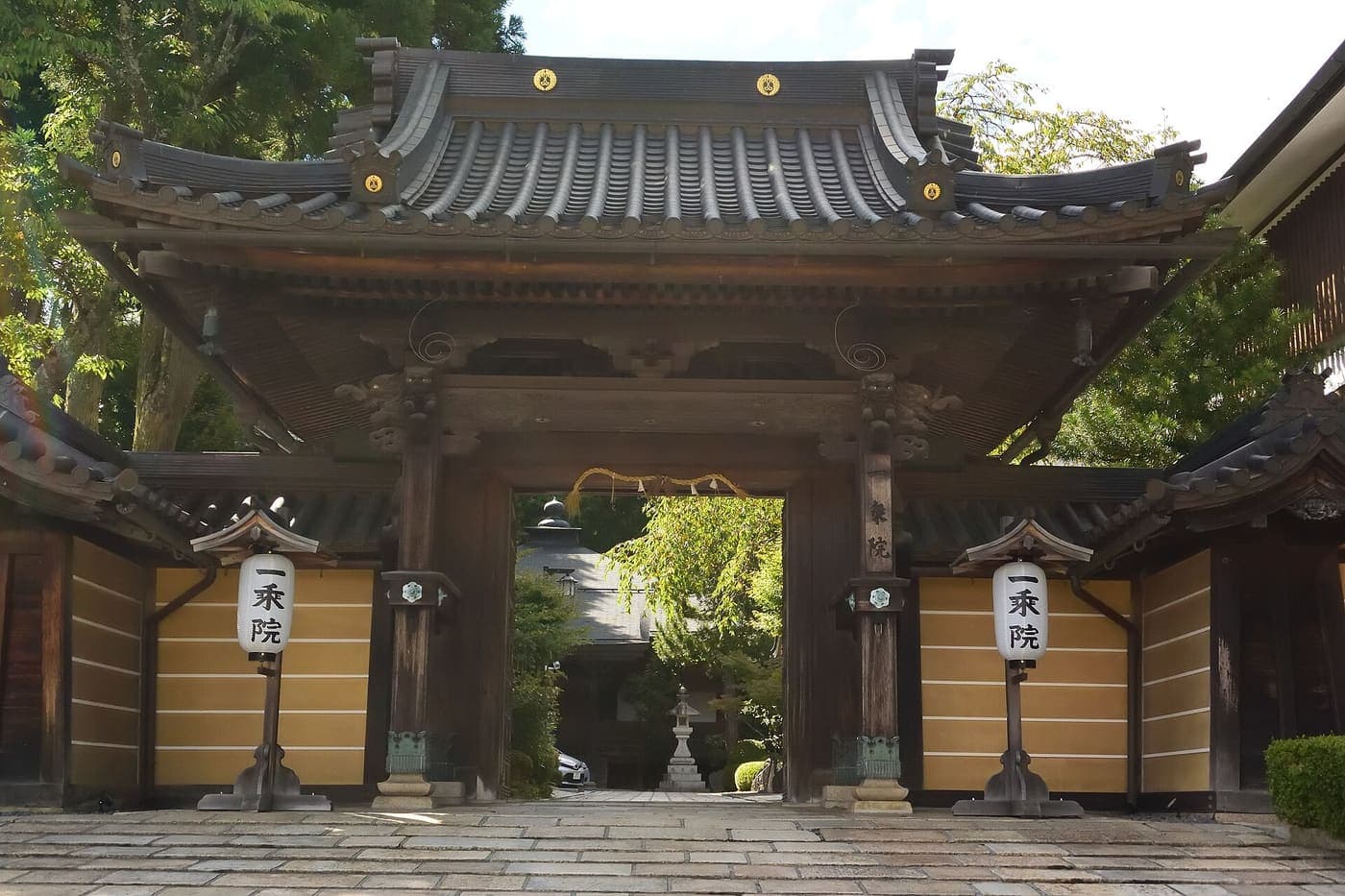 刀
Photo: コヲダ · CC BY-SA 4.0
Koya · Centro · ¥¥¥
Ichijoin 一乗院
Temple stays
Un templo-alojamiento en el centro de Koyasan, famoso por su cocina vegetariana, hecha a mano plato a plato.
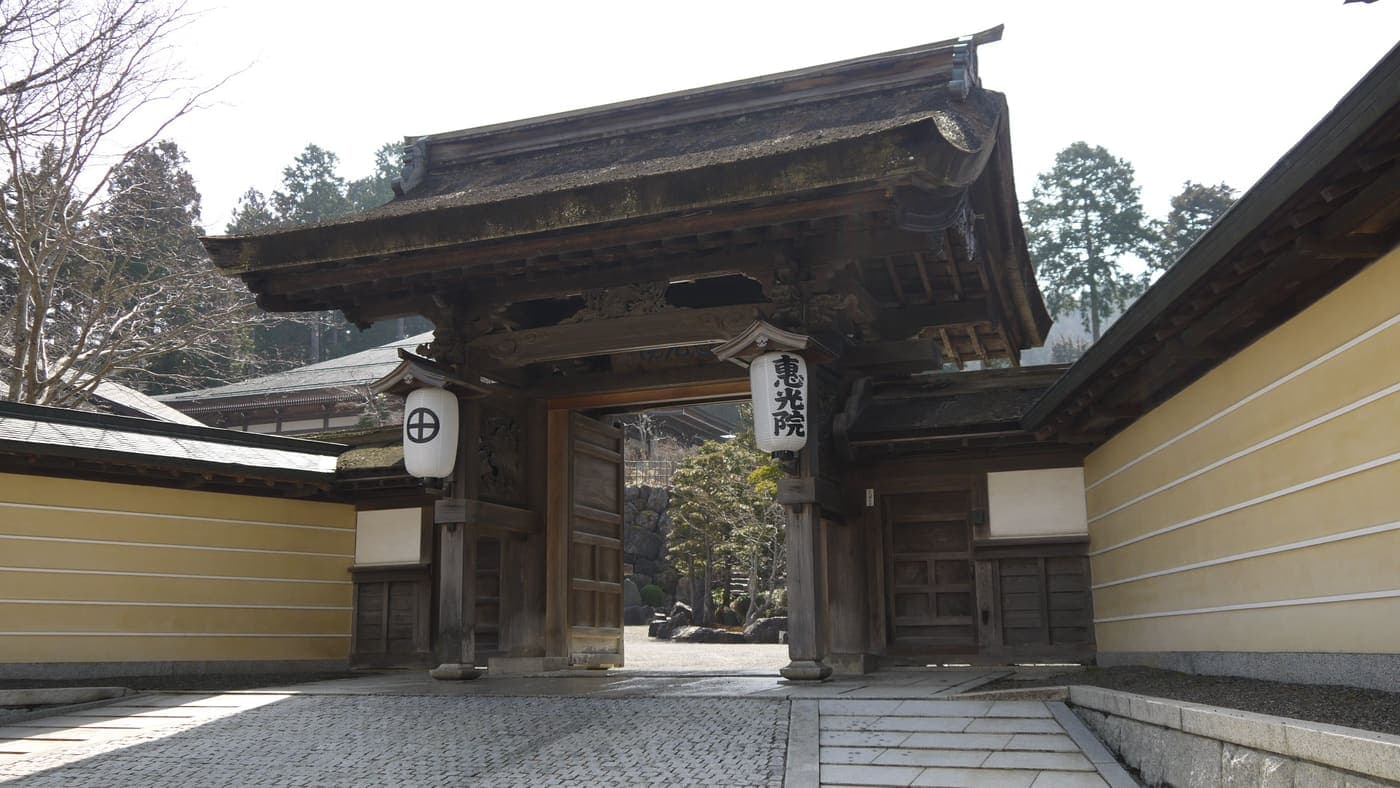 刀
Photo: baggio4ever · CC BY 3.0
Koya · Este del centro (hacia el Okunoin) · ¥¥¥
Ekoin 恵光院
Temple stays
Ceremonia del fuego (goma) cada mañana, y meditación y copia de sutras incluidas. La cena se sirve en la habitación.
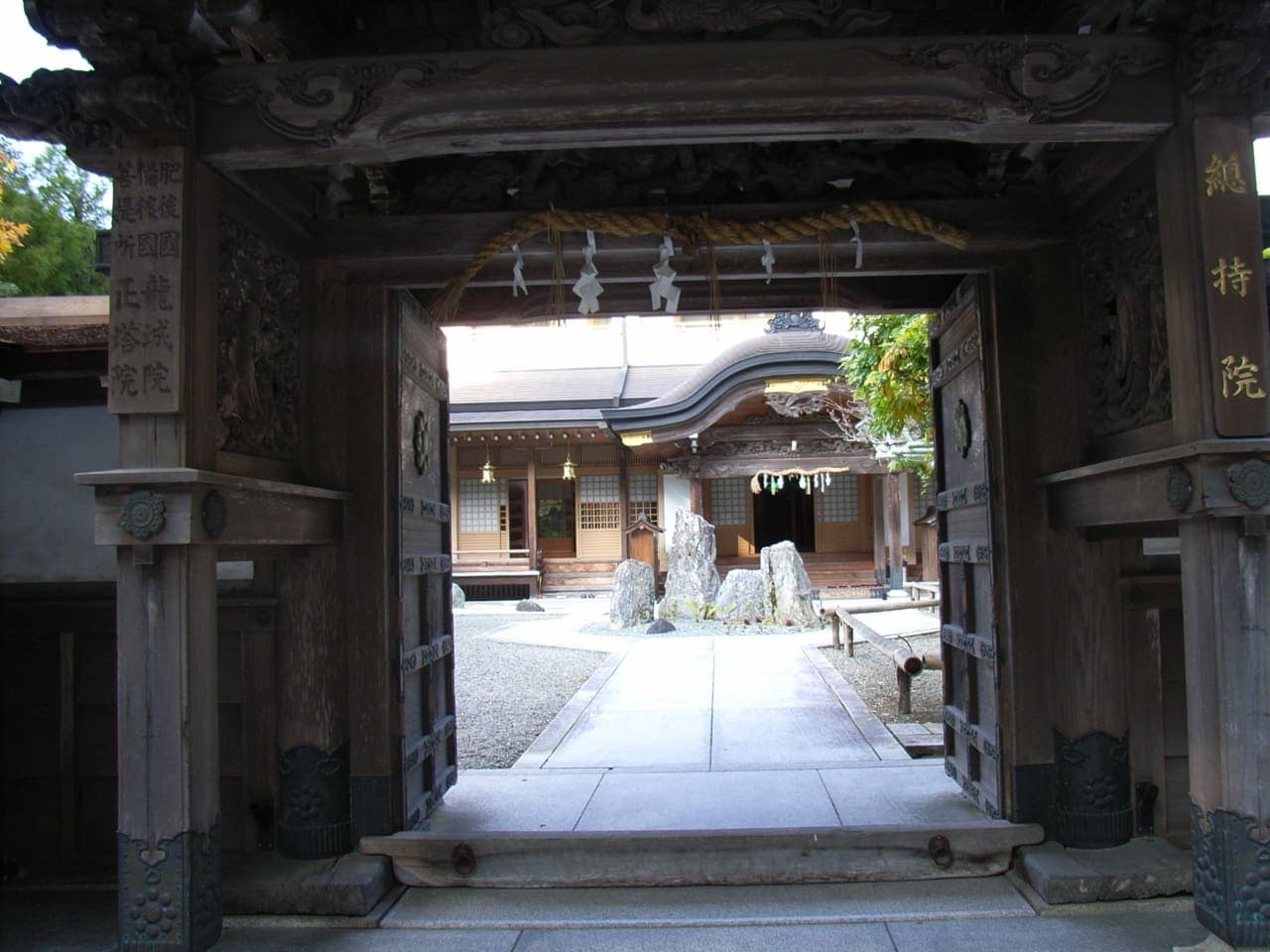 刀
Photo: неон · CC BY-SA 3.0
Koya · Junto al Kongobuji · ¥¥¥
Sojiin 高野山別格本山 総持院
Temple stays
Un templo con un gran jardín y cocina vegetariana de temporada, adaptado para personas con movilidad reducida.
 刀
Photo: KishujiRapid · CC BY-SA 4.0
Koya · Entre el Kongobuji y el Garan · ¥¥¥
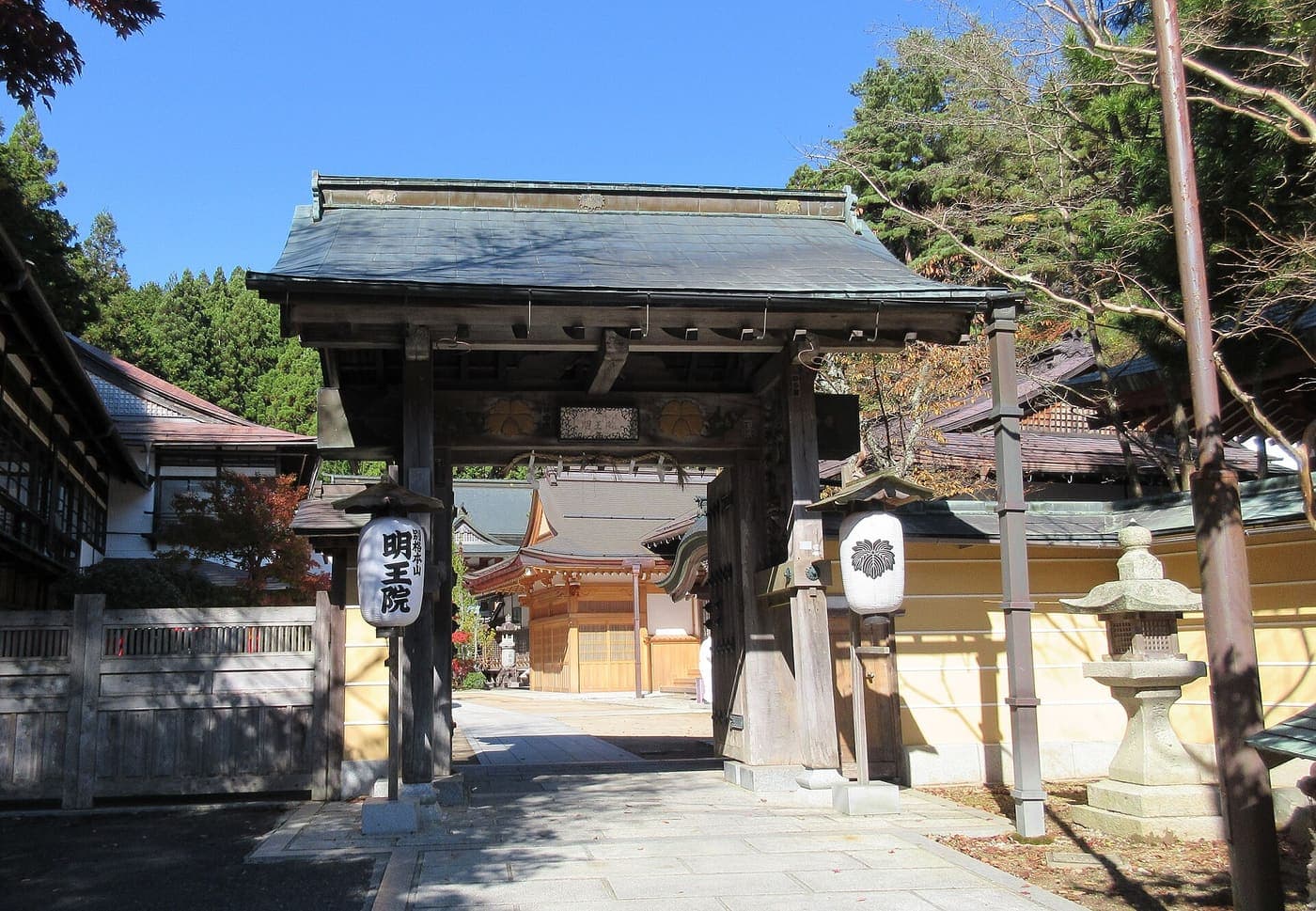
Myoo-in 高野山 別格本山 明王院
Temple stays
El templo del «Fudo rojo», una de las tres imágenes de Fudo más famosas de Japón, con salas de estilo de casa de té.
- 刀
Koya · Este del centro · ¥¥¥
Fudoin 宿坊 不動院
Temple stays
Un templo silencioso, con cocina vegetariana preparada al momento.
What a night in a ryokan is like
- 1ArrivalYou arrive in the afternoon, usually from 3 pm. Shoes stay at the entrance and staff show you to your room, often with tea and a sweet.
- 2YukataYour room has a yukata, a cotton kimono to wear around the ryokan and to the bath. Always wrap the left side over the right.
- 3BathMany have a hot-spring bath (onsen), separated by sex or used in turns. Wash before getting in, no swimsuit, and keep the small towel out of the water.
- 4DinnerThe kaiseki dinner, many small seasonal dishes, is served at a set time, in your room or in a dining room. When booking, mention allergies or anything you don't eat.
- 5FutonsDuring or after dinner, the futons are laid out on the tatami. Some modern ryokan have beds.
- 6Breakfast and check-outJapanese breakfast early in the morning (rice, fish, miso soup…) and check-out around 10 am.
Good to know
- Price
- You pay per person, not per room, and dinner and breakfast are usually included. As a rough guide, ¥15,000 to ¥40,000 per person per night; luxury ryokan go above ¥50,000. Weekends and peak season cost more.
- Book early
- The best-known ones fill up months ahead, especially on weekends, in autumn and at New Year. For the full experience, choose the plan with dinner and breakfast.
- Arrival time
- Dinner is served at a set time: if you will arrive late, let them know, or you may miss dinner.
- Tattoos
- Many shared baths don't allow tattoos. If you have one, look for a room with its own bath or a private bath you book by turns (kashikiri).
- Taxes
- A hot-spring bath tax is added (¥150 per person per night in many towns) and, in some cities, an accommodation tax.
- Temple lodgings
- In Koyasan you sleep in temples (shukubo): Buddhist vegetarian dinner (shojin ryori) and morning prayers with the monks.